Vol. I | Fig. 2.0.03
The Androgynous Threshold | May 2013
NIGHT SOUL OVERVIEW
The integration of internal masculine and feminine dynamics manifests directly as a unified psychological boundary at the front door of the house. Guarded by a clinical archetype with fused gender characteristics, this solid threshold binds personal authority and resilience to the physical frame, thereby securing the albedo baseline.
VISION [Witness Level 01: practitioner (p)]
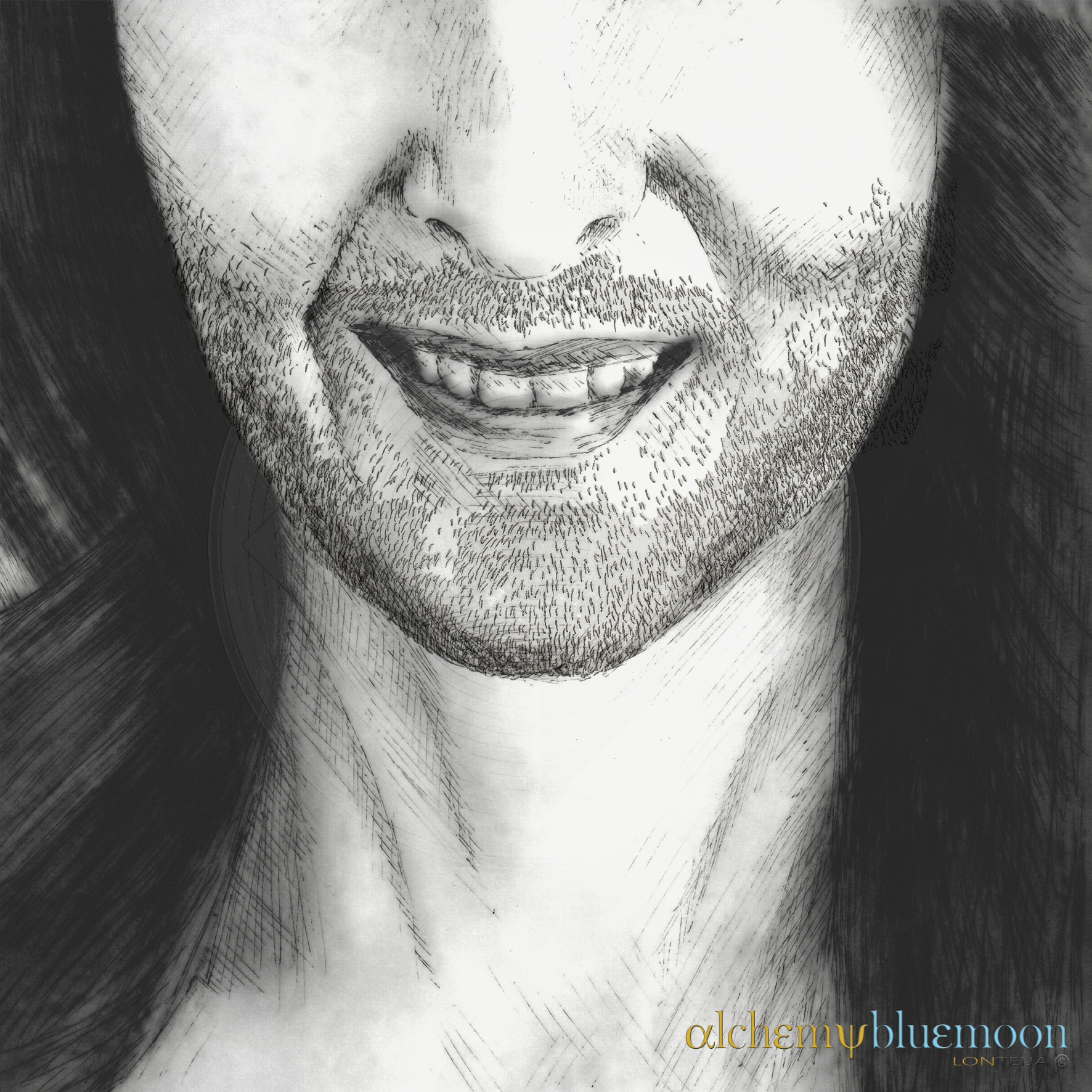
A familiar therapist stands directly at the front entrance door of the house. Her face carries a striking, visible growth of masculine stubble while maintaining her natural, nurturing feminine appearance. She occupies the doorway as a calm guardian. The threshold of the house appears solid and stable rather than thin or porous.
ARCHIVE SYNTHESIS
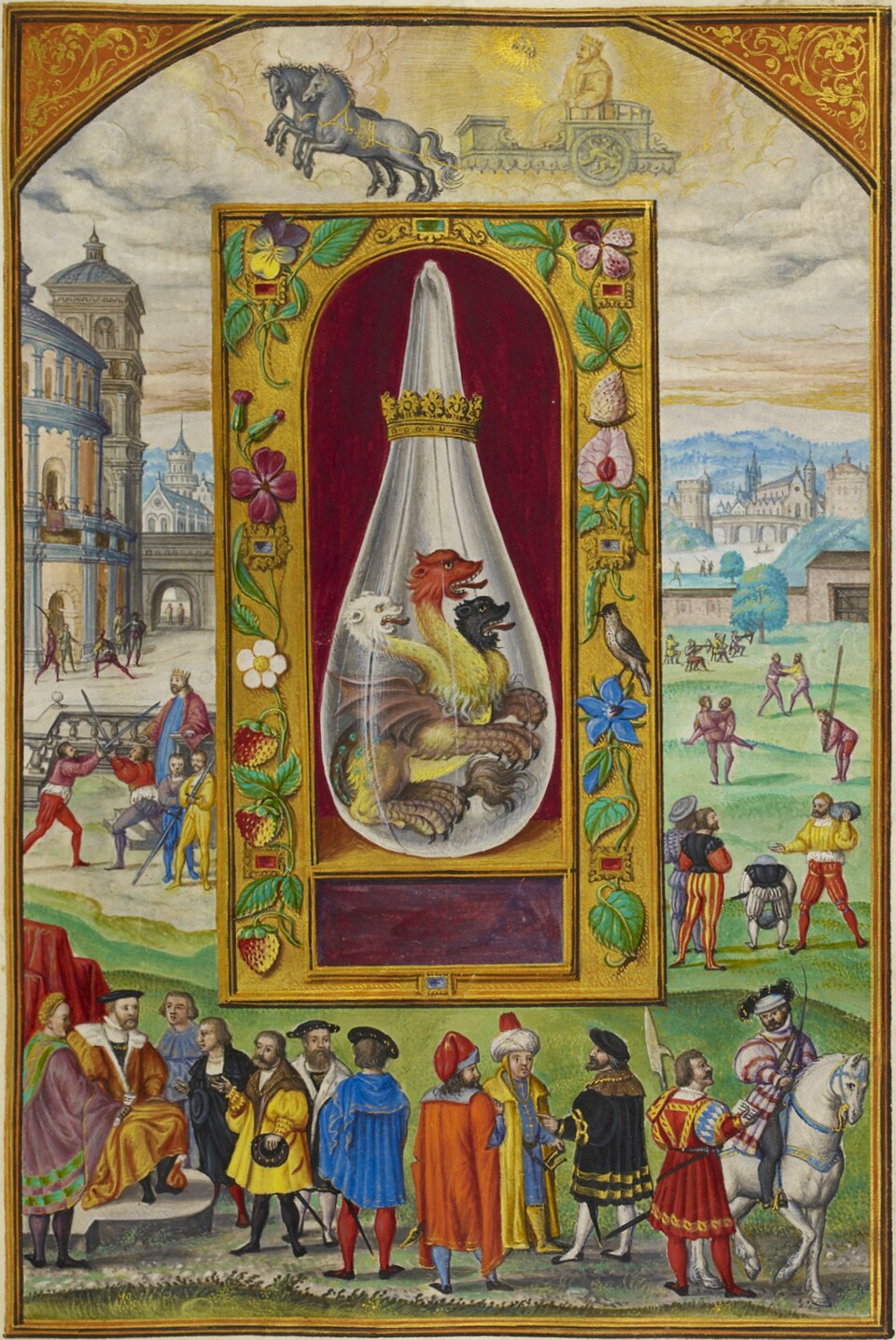
Initiating alchemical coagulatio compels subtle aspects to settle into physical reality, establishing the point of yin-yang balance as the anima (the feminine soul-force) and animus (the masculine spirit-force) merge. By combining a womanly face with a masculine beard, the vision manifests a coincidentia oppositorum incarnated as the alchemical rebis—the double matter of fused opposites. The emergence of facial stubble signifies the soul’s skin is toughening, dissolving early romantic projections to ensure that personal authority, boundaries, and logic are now growing directly from within.
On a clinical level, identifying the therapist—the literal emblem of a secure holding space—as the internalised vas hermeticum proves the system has embodied this balance directly within. This front door functions as a physical crucible where two opposing forces are fused together, uniting the feminine and masculine in direct contact. Standing firmly at this boundary marker ensures that the integrated architecture is locked into the physical frame, moving the practitioner beyond the protected isolation of [Fig. 2.0.01: The Guarded Spark].
ESSENTIAL MATURATION
The developmental bridge from human suffering to spiritual maturity.
| HERO’S JOURNEY |
NIGHT SOUL TRANSIT | TRANSFORMED RETURN |
|---|---|---|
| The Androgynous Threshold: A profound movement where the development of inner masculine and inner feminine qualities is balanced, ending romantic projection and seeking outside for another to complete the sense of self. |
Coagulatio. The integrated masculine and feminine dynamics congeal into the physical frame, embodying the alchemical Rebis and toughening the soul’s outer skin. |
Personal authority, clear discernment, and emotional resilience grow from within, transforming the psyche into its own internalised guardian capable of holding, containing, and supporting the self through change. |