[CHAKRA SERIES] Sacral: Balancing Desire and the Inner Child [Pre-Alchemical: The Outward Gaze]
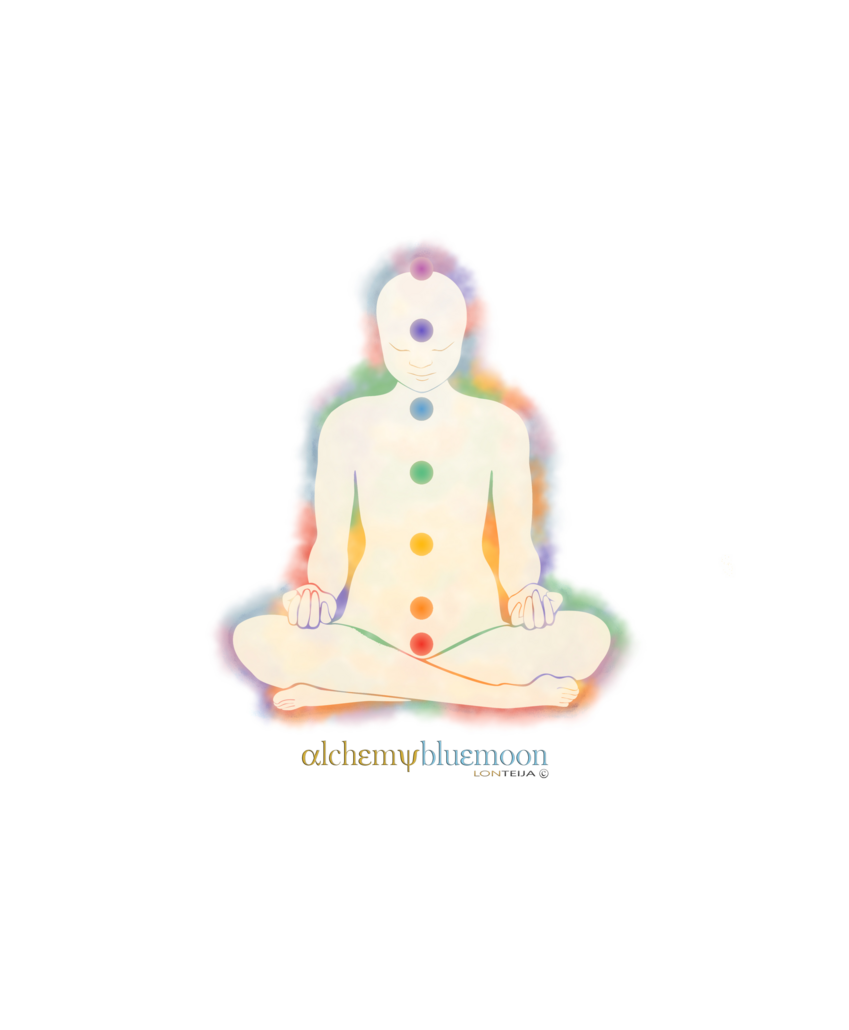

The sacral chakra, associated with the colour orange, is situated just above the sacrum, 2–3 inches below the navel. It governs our reproductive organs and coordinates creativity, intimacy, and pleasure. When balanced and fully operational, the sacral chakra enhances sexual desire, supports emotional connection, and enables us to both give and receive pleasure in relationships. Expressed with mutual love and respect, this energy draws individuals closer, fulfilling our primal instincts and deep yearning for spiritual connection.
The sacral chakra develops from the toddler stage through puberty, which is why it remains inextricably linked to our inner child—free, playful, and creative—as well as to our sexuality. It corresponds to the water element, supporting our capacity to adapt and flow fluidly with life’s shifts.
As children grow, they often move between the imaginative inner worlds and shared consensus realities of society. The ‘imaginal’ landscapes are frequently dismissed as they mature, leading to an increasing split from essential being, as critical developmental milestones—i.e., object constancy—are forged, where a stable internal sense of a caregiver is formed. This process is important for both building emotional safety and a grounded perception of external reality.
By age seven, also marked by the arrival of new teeth, this completed development through the sacral chakra culminates as the chakras are sealed, narrowing consciousness to the physical, five-sense world. Energetically, this stage aligns with the emergence of the lower emotional or lower astra body, the seat of personal feelings and emotions that appears as a rainbow-coloured aura extending one to three inches from the physical body. For those seeking higher integration, this ‘lower emotional’ phase is a vital, transitional step.